Most people don't think of the Balkans when they picture a cycling holiday. They think Croatia, maybe, Dubrovnik, the islands, but the region as a whole? It barely registers. That's exactly what makes it so exciting.
From Slovenia's cave-dotted karst country to Bulgaria's Black Sea cliffs, the Balkans offer everything cyclists love about Western Europe: medieval towns, coastal roads, mountain passes, incredible food, minus the crowds, the tour buses, and the prices. The roads are quiet. The scenery is ridiculous. And in places like Albania and rural Romania, you're still enough of a novelty that locals come out to say hello.
We've put together eight tours across seven Balkan countries, and every single one feels like a different world. Here's what's waiting.
No two countries are alike
What makes the Balkans special for cycling isn't just one country, it's how different they all are from each other, and how close together they sit.
Croatia
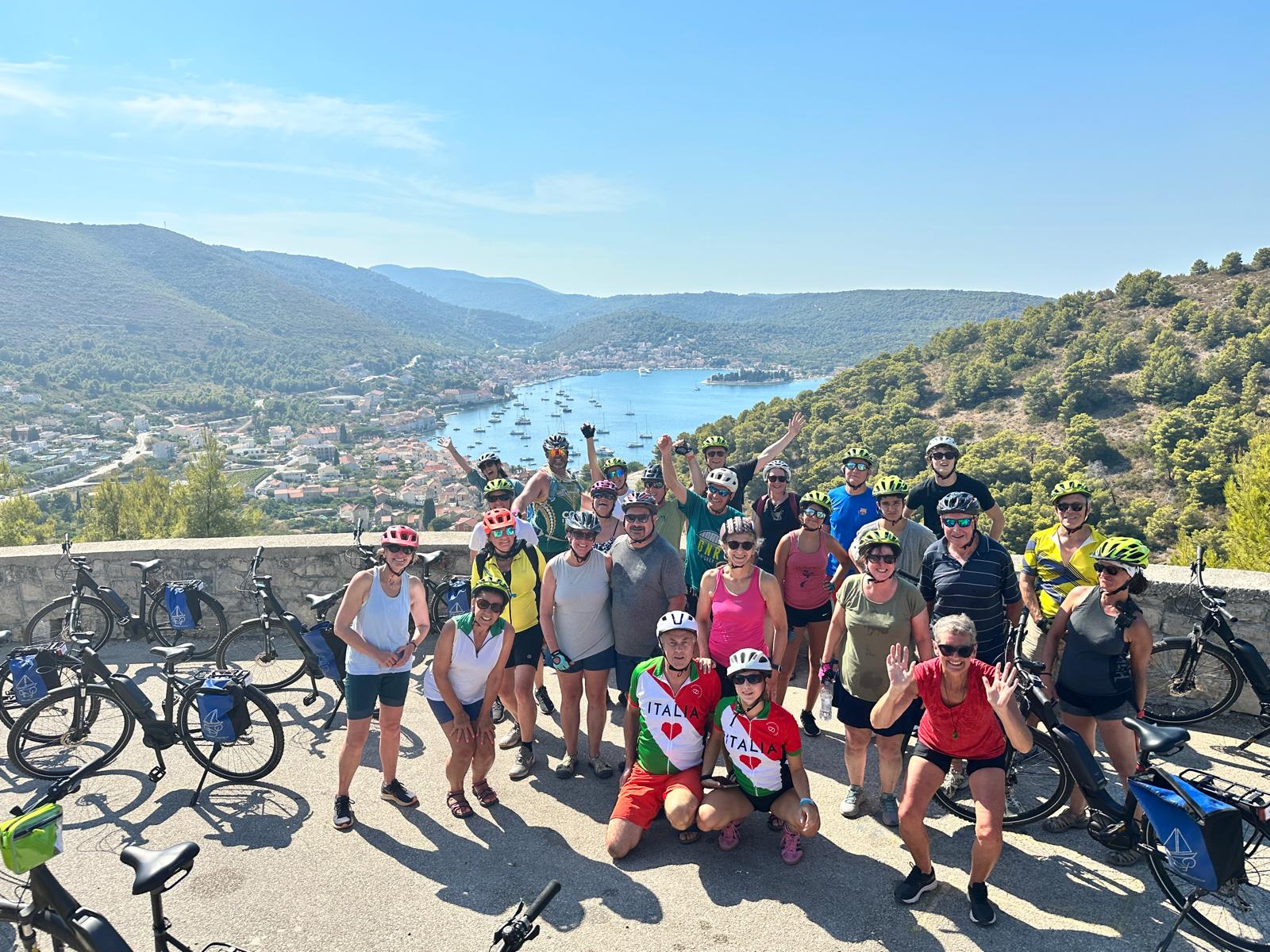
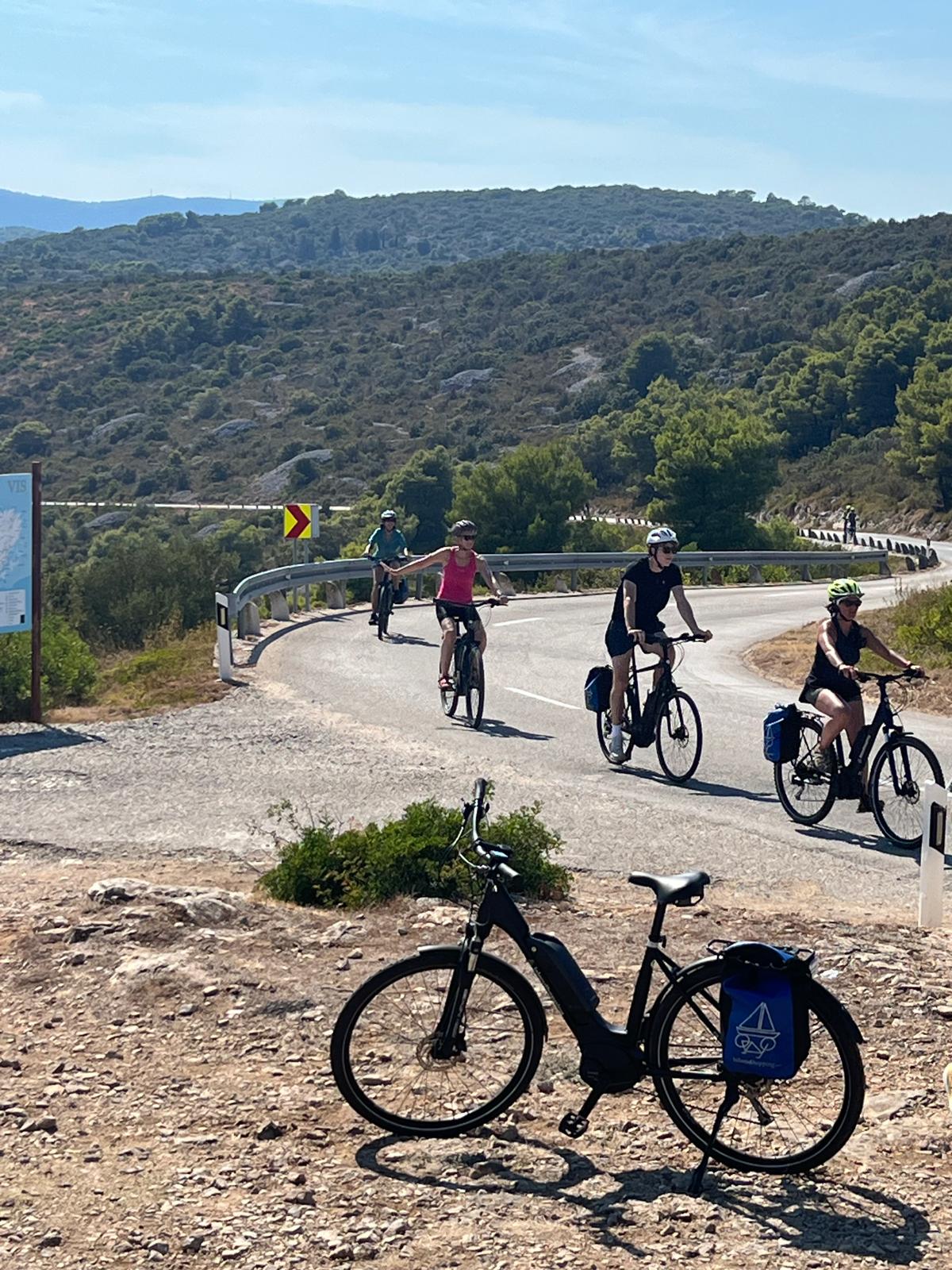
Croatia has two very different personalities on a bike. The UNESCO Highlights of Dalmatia by E-bike and Boat takes you island-hopping from Split to Dubrovnik, cycling through Hvar's lavender fields and Korčula's medieval alleyways before your yacht sails you to the next stop. You'll visit six islands over eight days, Brač, Hvar, Vis, Korčula, Mljet, and Šipan, sleeping on board and waking up somewhere new each morning. One rider called it "the most beautiful biking in Europe," and it connects two UNESCO World Heritage cities along the way.
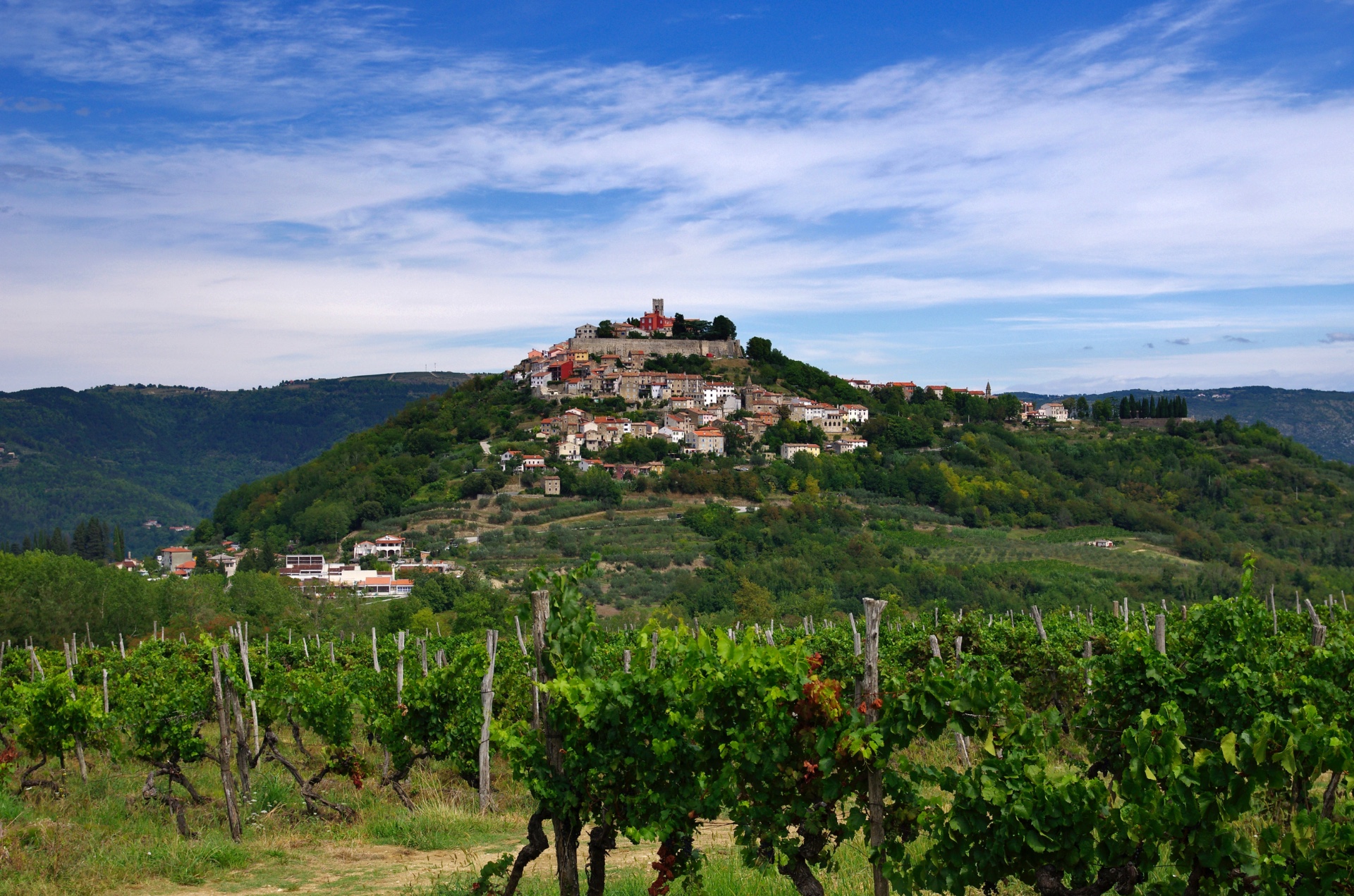
Then there's the Istria Wine Roads, which feels like a completely different trip. This self-guided tour winds through truffle forests, hilltop wine cellars, and olive groves on quiet roads through some of the best food country in the Mediterranean. You'll pass through medieval artist villages like Grožnjan and Motovun before ending in Rovinj on the Adriatic. One couple booked it as a honeymoon and said they had "some of the best meals of our lives" on what was supposed to be a bike trip.
Montenegro
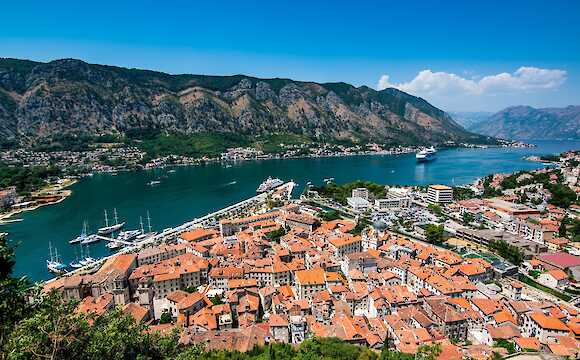
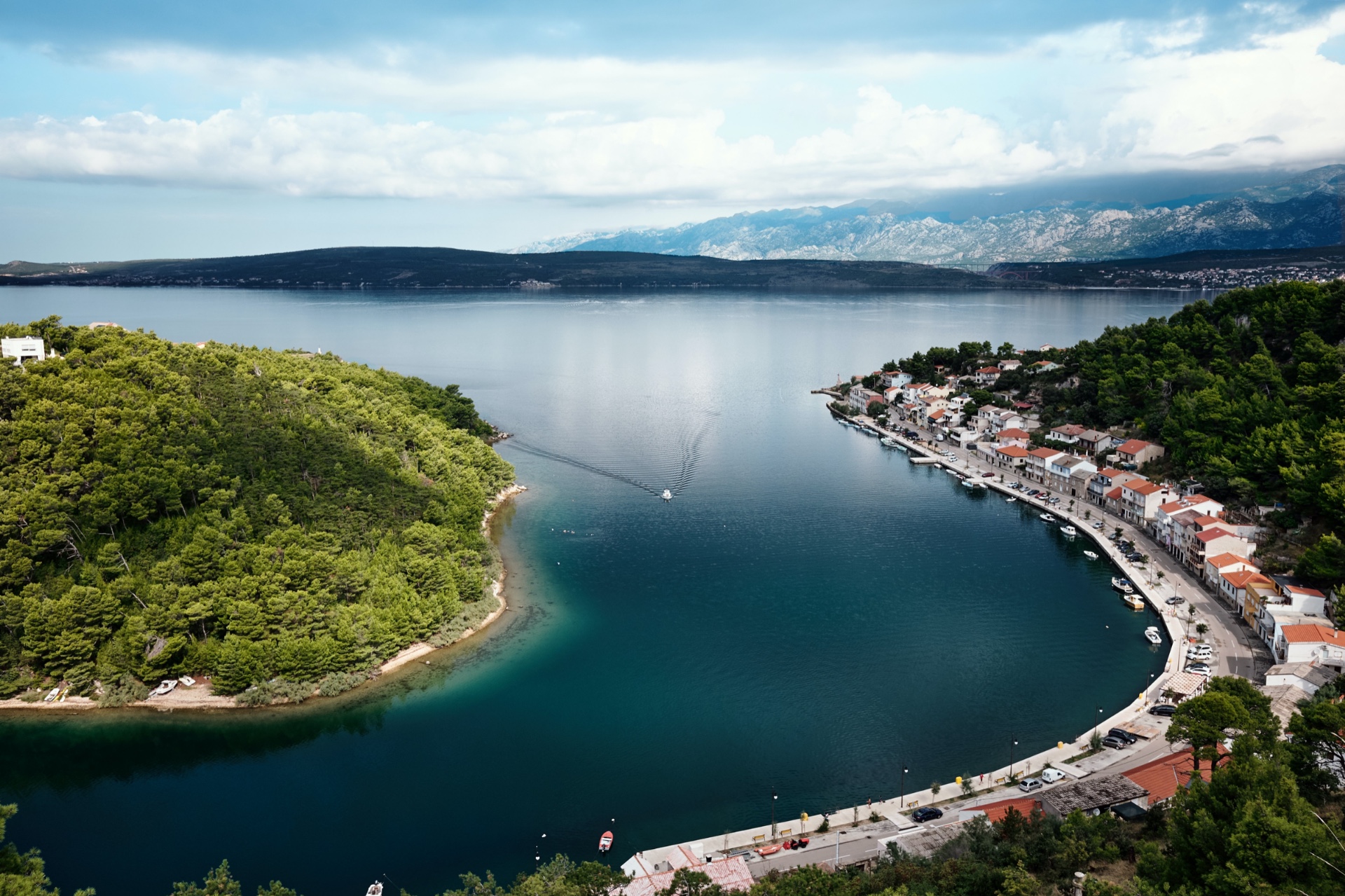
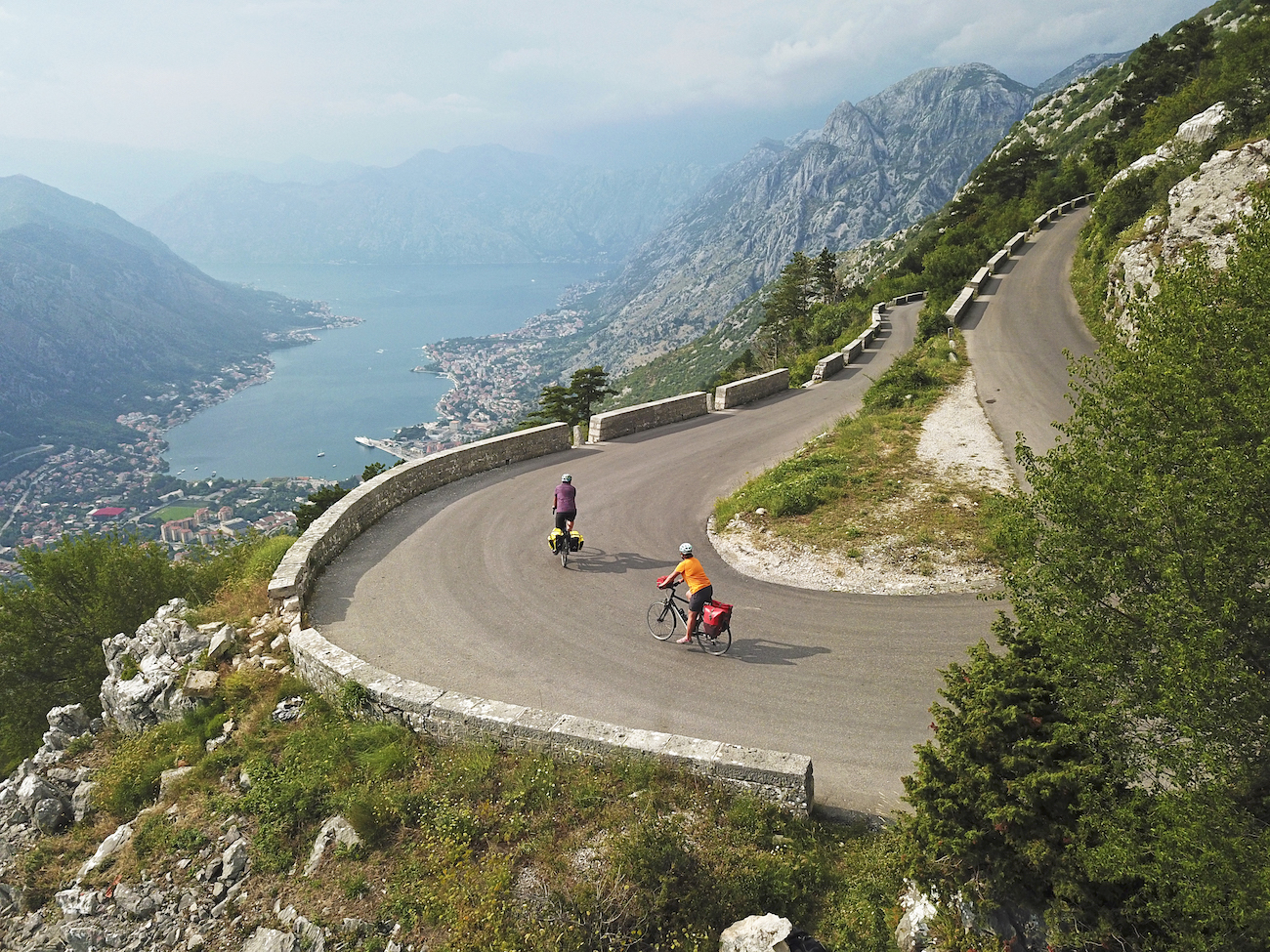
National Parks, Lakes & Canyons of Montenegro packs an absurd amount of scenery into a tiny country. This self-guided tour takes you from Durmitor National Park through Europe's deepest canyon along the Tara River, past the Ostrog Monastery (literally wedged into a cliff face) and through the shores of Lake Skadar, the biggest lake in the Balkans. The finale is an epic serpentine descent from Mount Lovćen straight down to the Bay of Kotor and the Adriatic. Even the train ride to the start, on one of Europe's most beautiful mountain railways, is a highlight in its own right.
Croatia, Montenegro & Bosnia and Herzegovina
Cycling the West Balkan Triangle links three countries in eight days. You cross borders on quiet back roads, taste local wines and olive oil in medieval Ston, home to Europe's longest city walls, cycle along the fjord-like Boka Bay into Kotor, and enjoy farm-fresh cheese and fig tastings on the Pelješac peninsula. Reviewers call it "life changing," and one rider said the pictures "can't begin to capture" the scenery.
Albania
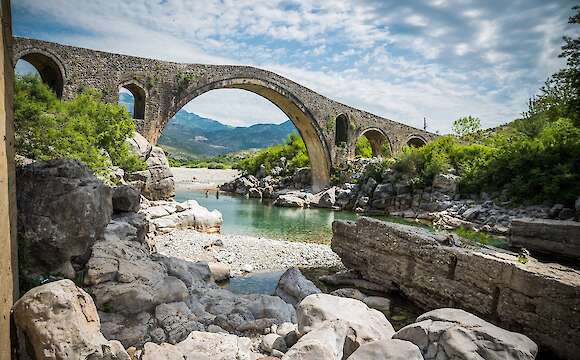
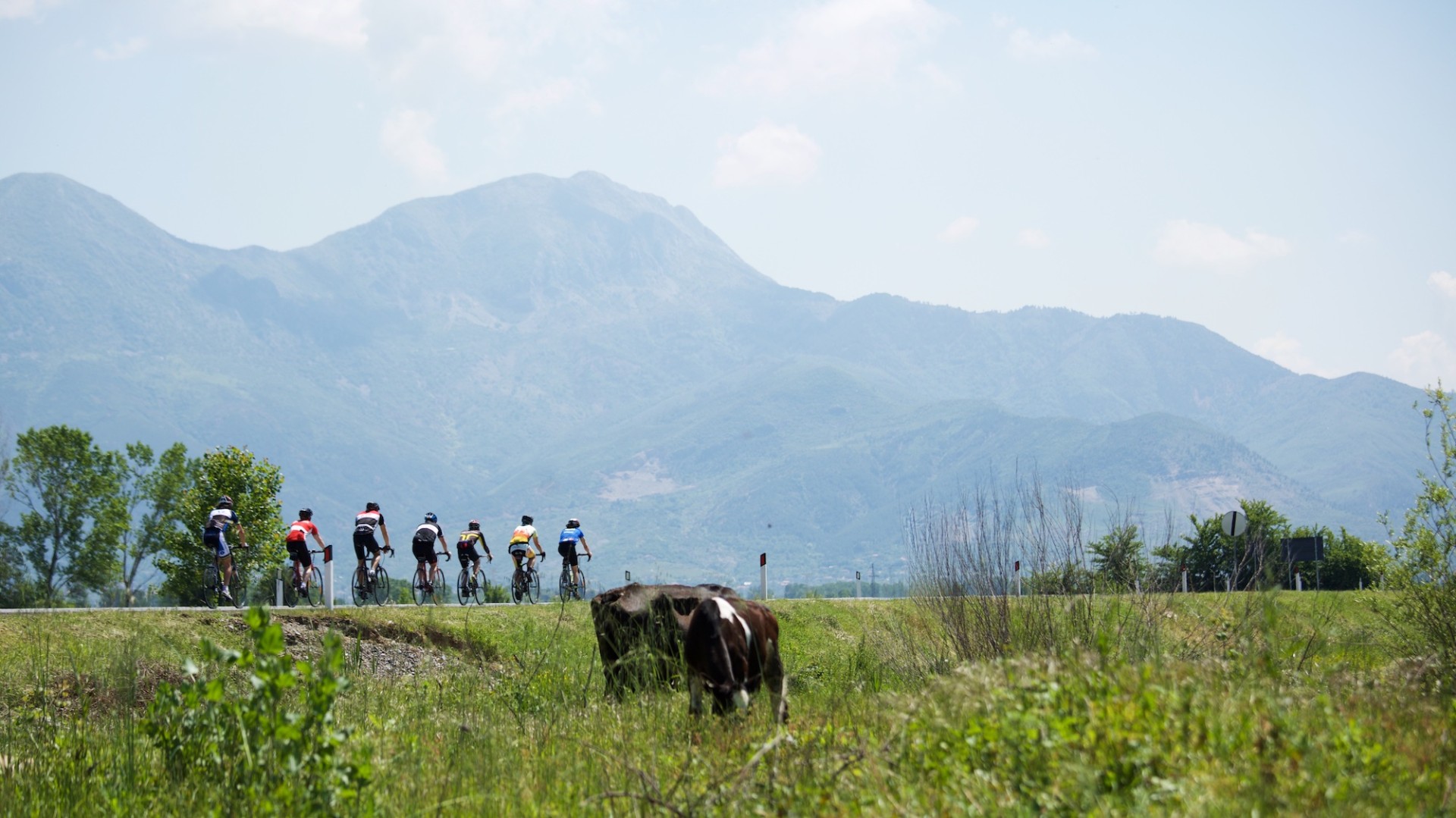
The UNESCO Sites of Albania might be the biggest surprise of them all. The roads are emptier, the coastline is stunning, and the hospitality is unlike anything else in Europe. One rider described it as "stepping back in time with children saying hello from their front yards and farmers working in their fields." Over ten days, you'll cross the wild Grammoz Mountains and the Barmash Pass, follow spectacular river gorges to the Ottoman town of Gjirokastër, explore the 2,500-year-old ruins of Butrint, and finish with a rollercoaster ride along the Albanian Riviera. Available as both guided and self-guided, it's a tour that feels like discovering a secret.
Slovenia
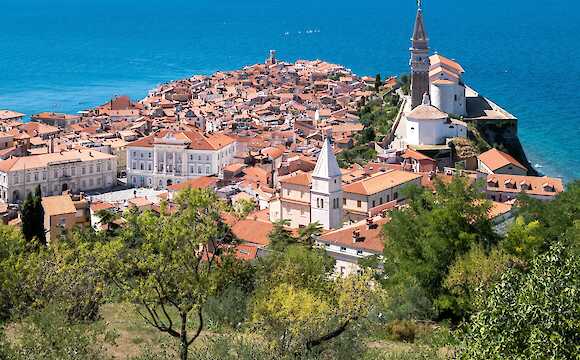
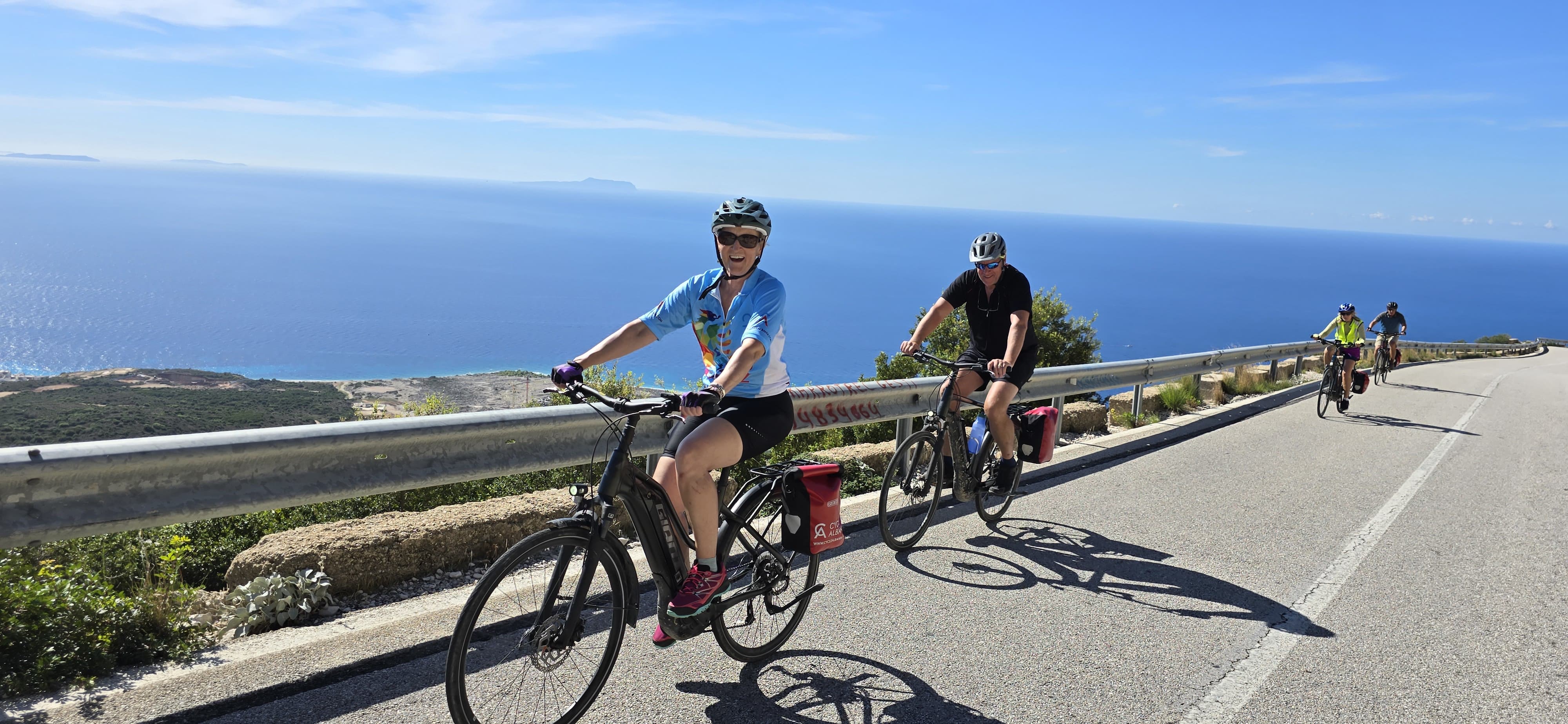
The Emerald Tour of Slovenia's Gems is the gentlest introduction to the region. A week of easy, self-guided riding takes you from Ljubljana's fortress through the Karst region, stopping at the vast underground world of Postojna Cave, a cliff-hugging castle with a story about a knight who taunted an army with freshly picked cherries, and the famous Lipizaner horses at Lipica. The route finishes along the coast with a coffee in Portorož and a gelato in Piran's Venetian harbor. At just 20-30 miles a day, reviewers call it "a fabulous, scenic odyssey" and recommend it for first-timers and families alike.
Bulgaria & Romania
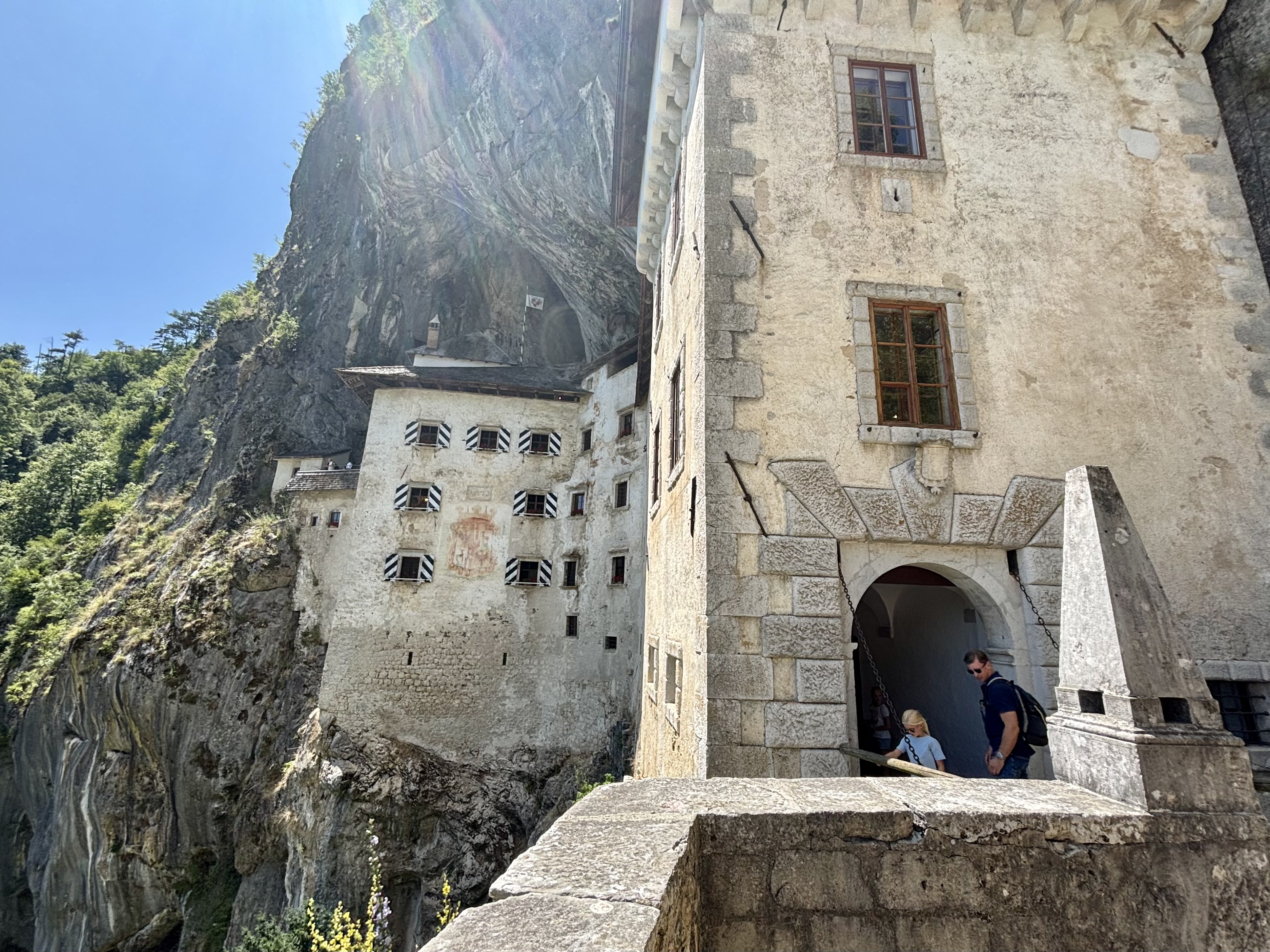
The Danube River and Black Sea tour is one of the most unusual routes in our collection. You start by kayaking the Danube past pelican colonies at a UNESCO World Heritage lake, then cycle along an actual ancient Roman road through sunflower fields and apricot orchards, cross from Bulgaria into Romania and back again, and arrive at the dramatic cliff coast of the Black Sea. Along the way you'll pass through 7,000 years of history, Thracian tombs, Ottoman fortresses, Orthodox monasteries, and the world's oldest golden treasure in Varna. One rider who's done dozens of tours worldwide called it "a history lesson on wheels." Another simply said: "Plan your visit before they become new tourist hot spots."
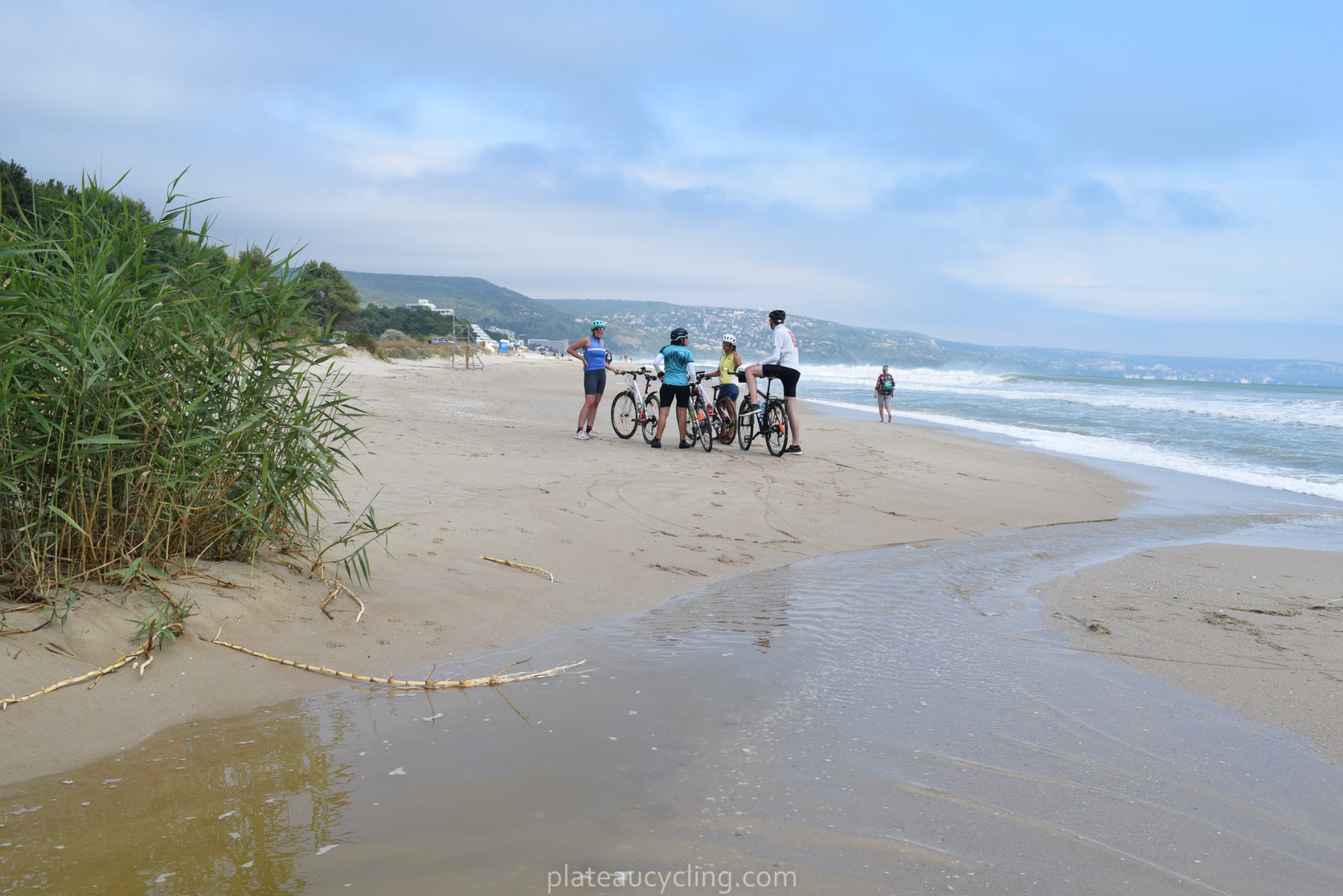
The Medieval Heritage of Transylvania is Romania's standalone tour, and no, it's not what you're picturing. From Brașov to Sibiu, you'll sleep in restored medieval castles, forage with a farm-to-table chef at an award-winning retreat, watch blacksmiths and felt-makers practice centuries-old crafts, and wind through UNESCO-listed fortified Saxon villages on roads where horse carts outnumber cars. One reviewer wrote that "the cycling was fantastic but not even the best part", which, for a bike tour, is saying something.
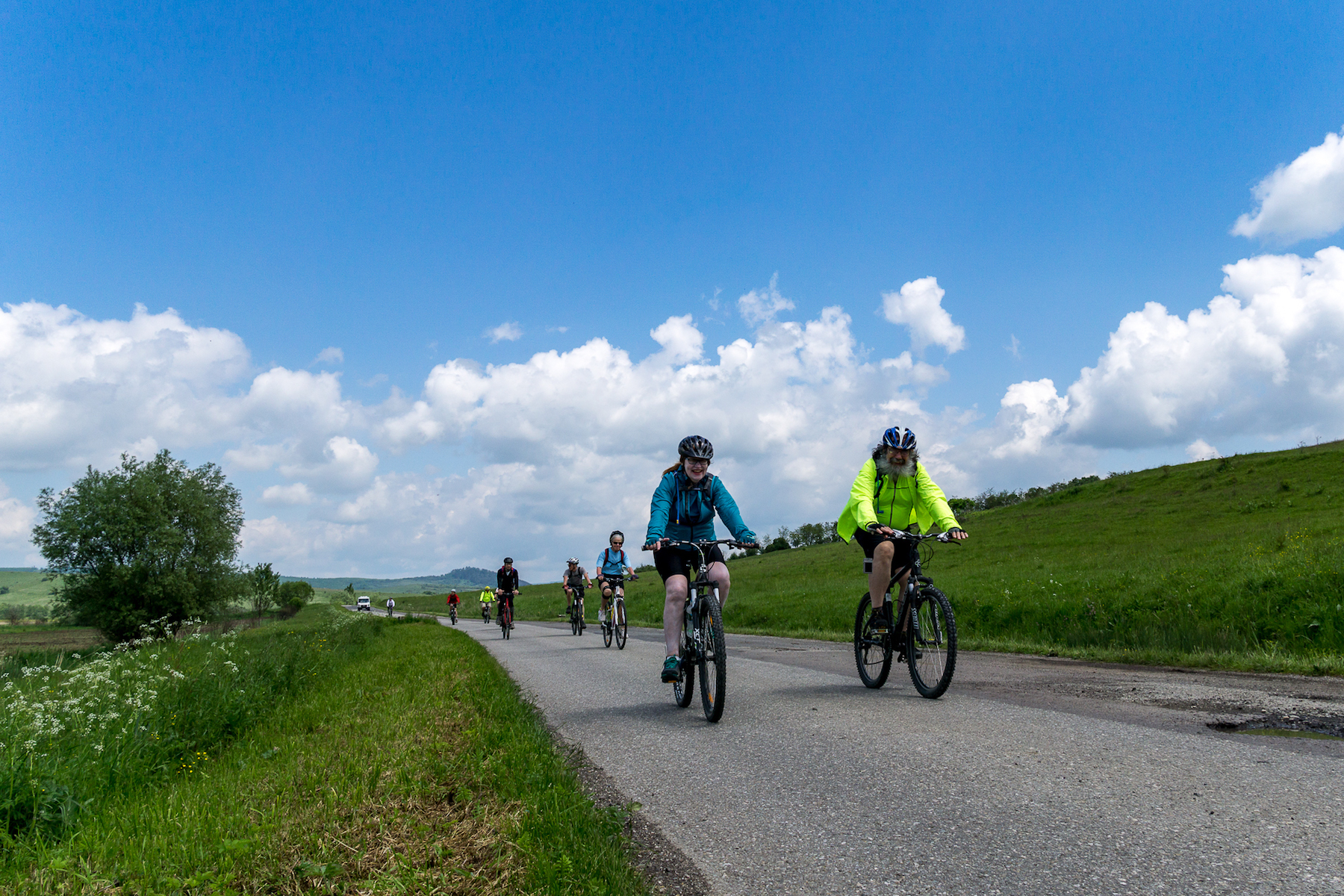
Go Before Everyone Else Does
Most of these tours run between seven and ten days, with daily distances ranging from 20 to 45 miles depending on the route. Options range from fully guided with a support vehicle to self-guided with GPS and luggage transfers. E-bikes are available on nearly every tour, and on hillier routes like Montenegro and Albania, riders strongly recommend them.
The season typically runs from April through October, with May, June, and September being the sweet spot; warm enough to swim, cool enough to climb.
The Balkans are climbing fast on every travel list, and the quiet roads and uncrowded villages won't stay that way forever. Right now, this is cycling in Europe that is personal, surprising, and genuinely hard to forget. If that sounds like your kind of trip, here's where to start.
Explore All Balkan Tours →
 Toll Free
 Email
Email
 Mailing Address
 Office Hours